

You’ll want to prioritize your health with the right travel immunizations to keep your adventure enjoyable. The vibrant culture and stunning landscapes are truly captivating, but being caught off guard by health risks like dengue fever or hepatitis A can really put a damper on your fun.
Luckily, with the right Vietnam travel shots, you can shield yourself from serious illnesses and make the most of your experience.
It’s wise to start by getting essential vaccinations like hepatitis A and B, typhoid, and Japanese encephalitis.
Consulting a health professional early to establish your vaccination schedule is a smart move, as these immunizations often require a bit of time to kick in. So, don’t forget to consult your healthcare provider about travel immunizations, Vietnam travel shots, and your vaccination schedule to ensure you receive the best travel health advice and enhance disease prevention.
| Vaccine | Purpose | Required or Recommended? | Who Should Get It? | Additional Notes |
|---|---|---|---|---|
| Hepatitis A | Protects against contaminated food & water | Recommended | All travelers | Common in Vietnam due to food hygiene risks |
| Hepatitis B | Protects against bloodborne infections | Recommended | Long-term travelers, healthcare workers, adventure travelers | Transmitted through blood, sexual contact, or needles |
| Typhoid | Prevents typhoid fever from contaminated food & water | Recommended | Travelers staying in rural areas or eating street food | Oral or injectable options available |
| Tetanus & Diphtheria (Td/Tdap) | Prevents infections from cuts/wounds | Routine Vaccine | All travelers | Ensure booster shot every 10 years |
| Rabies | Protection against rabid animal bites (dogs, bats, monkeys) | Recommended for high-risk travelers | Adventure travelers, those visiting rural areas | Post-exposure treatment is limited in remote areas |
| Japanese Encephalitis | Protection from mosquito-borne viral infection | Recommended for long stays | Travelers visiting rural or farming areas, especially in monsoon season | Risk is higher in rice field & pig-farming regions |
| Malaria Prevention | Protection against malaria (mosquito-borne disease) | Depends on travel areas | Travelers visiting forested or rural regions | No vaccine, but anti-malarial pills may be needed |
| Influenza (Flu Shot) | Prevents seasonal flu | Recommended | All travelers, especially elderly or immunocompromised | Common in urban areas, crowded places, and airports |
| COVID-19 | Protection from coronavirus infection | Required/Recommended | All travelers | Check Vietnam’s latest entry requirements |
Key Takeaways:
- Hepatitis A, Hepatitis B, Typhoid, and Tetanus are highly recommended for all travelers.
- Rabies and Japanese Encephalitis are important for rural or adventure travelers.
- Malaria prevention depends on where you travel—consult a doctor before departure.
- Check entry requirements for COVID-19 vaccination before booking your trip.
Importance Of Travel Immunizations
Embarking on a journey is an exciting experience, but it’s important to keep your health in check. Staying informed about necessary vaccinations can be a game changer, especially when exploring places with unique health risks, like Vietnam.
For example, the hepatitis A vaccine safeguards against food and waterborne illnesses, making it a smart choice for travelers.
Aside from protection, these shots offer a layer of comfort, allowing you to truly enjoy breathtaking landscapes without the worry of getting sick.
Surprisingly, many adventurers overlook the importance of vaccinations before heading out.
Consulting with healthcare providers about your travel plans is a wise move, as they can guide you on particular needs based on your itinerary. Whether it’s a yellow fever vaccine or typhoid, being proactive saves you from stress and ensures you can focus on the joy of creating unforgettable memories. With the right precautions, travelers can protect themselves from diseases like yellow fever, hepatitis A, hepatitis B, and typhoid while exploring tropical regions.
What Vaccinations Do I Need?

Planning an adventure to Vietnam comes with some important considerations for your health and safety. It’s not just about packing your bags; you also want to think about health precautions to keep illnesses at bay.
For instance, travelers should be aware of the risks associated with diseases like Japanese encephalitis and rabies, especially if your itinerary includes rural explorations.
These regions can pose higher risks for certain ailments, so consider what vaccines may be necessary.
Starting your pretravel vaccines at least a month before your trip is a smart move, ensuring you’re protected and ready to enjoy every moment of your journey.
| Health Consideration | Recommended Action |
|---|---|
| Japanese Encephalitis Risk | Consider vaccination if visiting rural areas |
| Rabies Exposure | Get vaccinated if planning to interact with animals |
| Pretravel Vaccination Timing | Start vaccinations at least one month before departure |
Understanding The Vaccination Schedule
Making sure you get the right vaccines ahead of time can really enhance your travel experience. When you explore new places, taking steps to protect yourself against infectious disease risks becomes essential.
Depending on your destination, different vaccinations will be recommended to keep you safe.
For many travelers, key vaccines include hepatitis A, typhoid, and diphtheria.
Aim to receive these shots at least a month before your departure to ensure maximum effectiveness.
If you find yourself running short on time and miss a vaccination, don’t worry! There are often options to catch up, and scheduling a travel medicine consultation can help you figure out the best course of action. Keeping your immunization records close at hand will also make it easier to meet health requirements for your journey. Now, let’s take a closer look at what vaccinations you might need for your trip, considering factors such as infectious disease risks, health requirements, and vaccine safety to ensure your immunization records are up to date.
Health Precautions Before Traveling
Planning a getaway can be exciting, but it’s wise to pay attention to your well-being while exploring new places. Before you embark on your adventure, dive into the latest health advisories specific to Vietnam; they’ll keep you informed about any potential risks.
A visit to local travel clinics is recommended, where you can chat about immunizations and get tips on medications for common travel woes.
Packing a health kit stocked with essentials, like hand sanitizer and first-aid supplies, is a smart strategy.
Staying current with your vaccines is particularly important if you’re facing diseases not commonly found in your home country. Being proactive truly adds to a safer and more enjoyable experience on your travels!
After you’ve covered the basics of vaccination schedules, don’t overlook the importance of disease prevention strategies while you’re in Vietnam. Keeping your health in check throughout your journey can make all the difference by following health advisories, visiting travel clinics, obtaining necessary health certificates, being aware of disease outbreaks, and adhering to public health guidelines.
| Health Advisory | Travel Clinic Recommendations | Vaccination Importance | Health Kit Essentials |
|---|---|---|---|
| Stay informed about potential health risks in Vietnam. | Consult with professionals about immunizations and medications. | Stay current with vaccines for diseases not common in your home country. | Pack hand sanitizer and first-aid supplies. |
| Monitor local disease outbreaks. | Obtain necessary health certificates for travel. | Proactive health measures enhance travel safety. | Include other travel essentials in your health kit. |
Disease Prevention Strategies In Vietnam
Planning a trip to Vietnam means you will want to keep your health in check while exploring the vibrant culture. Taking stock of prevalent illnesses is a great starting point.
Dengue fever and typhoid are among the more common risks you might face if you’re not cautious.

Now, let’s dive into some key preventive healthcare tips.
Staying current with your routine vaccinations can really enhance your immunity before you enjoy the sights and flavors. And when it comes to food and drink, stick to bottled water and opt for well-cooked meals to reduce any health risks.
It’s also a smart idea to secure travel insurance that covers health issues, as access to healthcare can vary widely throughout the country. Having a reliable plan can really boost your travel safety and peace of mind
Vaccine Safety And Side Effects
Getting ready for your next adventure often comes with a lot of questions, especially when it comes to health precautions. Ensuring vaccines are safe is a key part of planning any trip.
Each vaccine goes through a thorough process of testing and approval, which means they’re put under the microscope to confirm they’re effective and safe.
Even after a vaccine is approved, it’s still closely monitored for any unexpected issues.
Common vaccination side effects are usually mild, ranging from a bit of soreness at the injection site to feeling a tad fatigued or experiencing a low-grade fever. Generally, these symptoms clear up within a few days.
If you have any health concerns, touching base with a health professional can provide peace of mind. Plus, having travel insurance can be a smart move to cover any unexpected medical care you might need while enjoying your time in Vietnam.
Vaccination and Travel
- Vaccines undergo rigorous testing and approval processes to ensure their safety and efficacy.
- Common side effects of vaccines are typically mild and resolve within a few days.
- Vaccines are continuously monitored even after approval to identify any unexpected issues.
- Travel insurance can provide coverage for unexpected medical care while traveling abroad.
Travel Health Advice For Tourists
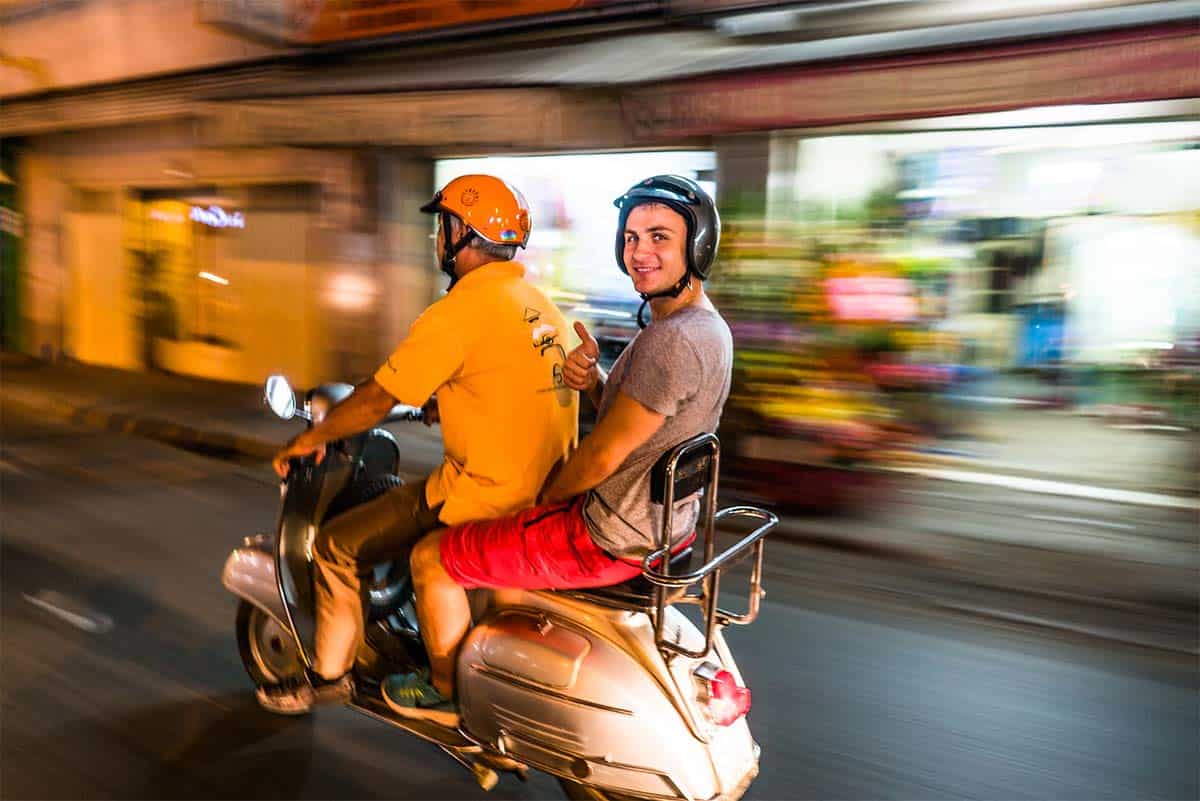
Planning a trip to Vietnam can be exciting, but it’s important to prioritize your well-being while exploring this beautiful country. Staying informed about health risks is a smart move, especially with diseases like the cholera vaccine being preventable through proper vaccinations.
It’s also a good idea to keep an eye on environmental factors such as climate and air quality to ensure you have a pleasant experience.
Before your adventure, think about getting the cholera vaccine alongside other recommended immunizations.
It’s best to schedule these appointments at least a month ahead of your departure.
Packing smart will help you stay prepared—don’t forget to include a travel health kit stocked with basic supplies and any over-the-counter medications you might need along the way.
Staying hydrated will make a world of difference. Always opt for bottled or boiled water to steer clear of potential tummy troubles, and also follow safety tips such as getting the cholera vaccine and implementing Zika prevention measures as advised by World Health Organization guidelines.
Healthcare Access And Resources In Vietnam
Finding reliable healthcare options while traveling can make all the difference in your experience abroad. Vietnam offers a blend of public and private services, with urban centers typically boasting higher standards than rural areas.
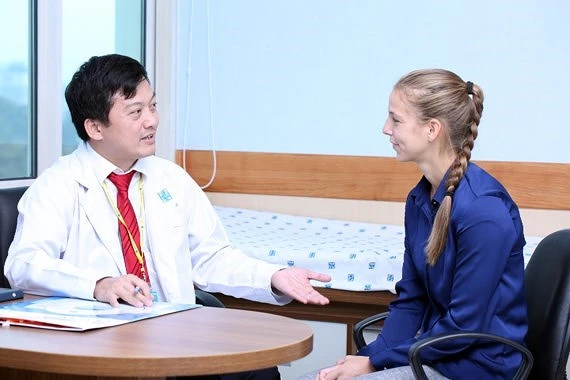
Public healthcare tends to be either free or low-cost, although quality may fluctuate.
In bustling cities like Ho Chi Minh and Hanoi, you’ll discover well-equipped hospitals and clinics.
Don’t be surprised if rural healthcare facilities have limited resources and services.
For emergency situations, dialing 115 will connect you with services, but it’s smart to prepare for some delays.
Familiarizing yourself with CDC advice can be a great way to stay informed about health and safety during your visit.
When you’re in Vietnam, you’ll find a range of healthcare services available, from local pharmacies to doctors who can provide guidance on CDC advice, local regulations, safety protocols, illness prevention, and immunological protection.
Conclusion
Your journey through Vietnam promises unforgettable experiences, from stunning landscapes to vibrant local customs. While you soak in the beauty, keeping a focus on travelers’ health is equally essential.
Prior to your adventure, take some time to learn about local medical preparedness options, including vaccination recommendations, to ensure you’re ready for anything.
Familiarizing yourself with endemic diseases common in the region can help you sidestep potential health issues along the way.
Engaging with healthcare professionals can provide clarity on any specific health concerns you might have. Connecting with locals can unlock a treasure trove of tips for maintaining your personal health management during your travels. So go ahead, embrace the adventure, and prioritize your well-being as you explore this enchanting country, ensuring you are well-informed about medical preparedness, vaccination options, and personal health management to protect yourself from endemic diseases and promote travelers’ health.
Originally posted 2025-03-20 04:17:49.