

It’s always nice to get a handle on how to engage with the local customs around gratuity when planning a trip to Vietnam. While showing appreciation through tips is welcomed, it’s not something you’ll find everyone expecting.
Familiarizing yourself with the hospitality norms can really enhance your travel experience.
When it comes to dining out, tipping around 5-10% of your bill is fairly common, especially at restaurants that cater to tourists.
At local eateries, simply leaving some small change can be quite sufficient.
It’s worth checking your bill first, as a service charge might already be included. Every little gesture goes a long way in expressing gratitude, especially when it aligns with local customs and hospitality norms that recognize the value of service charge and cultural practices.
Understanding Tipping In Vietnam

Getting a grasp on local customs can greatly enhance your travel experience. When it comes to dining customs in Vietnam, showing appreciation for good service is a meaningful gesture.
In restaurants, a common way to express this is by leaving a small tip.
For example, if your total is 85,000 VND, rounding it up to 90,000 VND is a nice way to say thanks.
Restaurant tipping is a simple yet appreciated practice, particularly when the staff goes the extra mile to make your meal enjoyable.
As you venture out to explore the country, don’t overlook your tour guide. A small token of monetary appreciation can really make their day.
Typically, tour guide tips around 10% of the total cost are considered adequate. Being mindful of these practices will help you blend in seamlessly and might even lead to richer interactions with locals, such as understanding restaurant tipping, offering appropriate tour guide tips, and showing monetary appreciation in accordance with local dining customs, often calculated as a percentage of the bill.
Are Service Charges Common?
If you’re curious about how dining out feels in Vietnam, you should know a bit about what to expect regarding extra costs.
Service Charges Are Often Included: Many Vietnamese restaurants and cafes tend to include a service charge right on your bill, so it’s a good idea to glance at your receipt before reaching for your wallet.
You’ll often find this charge reflected in the total, allowing you to relax and enjoy your meal without fretting about additional informal payments.
Varying Practices: Not every place adheres to the same rules.
Some local spots may skip the service charge altogether, relying instead on the appreciation gesture of tipping. It’s a mixed bag, so asking about the specific policy can definitely enhance your dining experience. If you’re considering leaving a cash tip as an appreciation gesture for a positive dining experience, it can be a reflection of the service quality you received and is often welcomed as an informal payment.
| Dining Aspect | Details |
|---|---|
| Service Charge Inclusion | Many restaurants include a service charge in the bill. |
| Varying Practices | Some local spots may not include a service charge and rely on tipping. |
| Tipping | Tipping is often welcomed as an appreciation gesture for good service. |
Local Customs Surrounding Gratuity
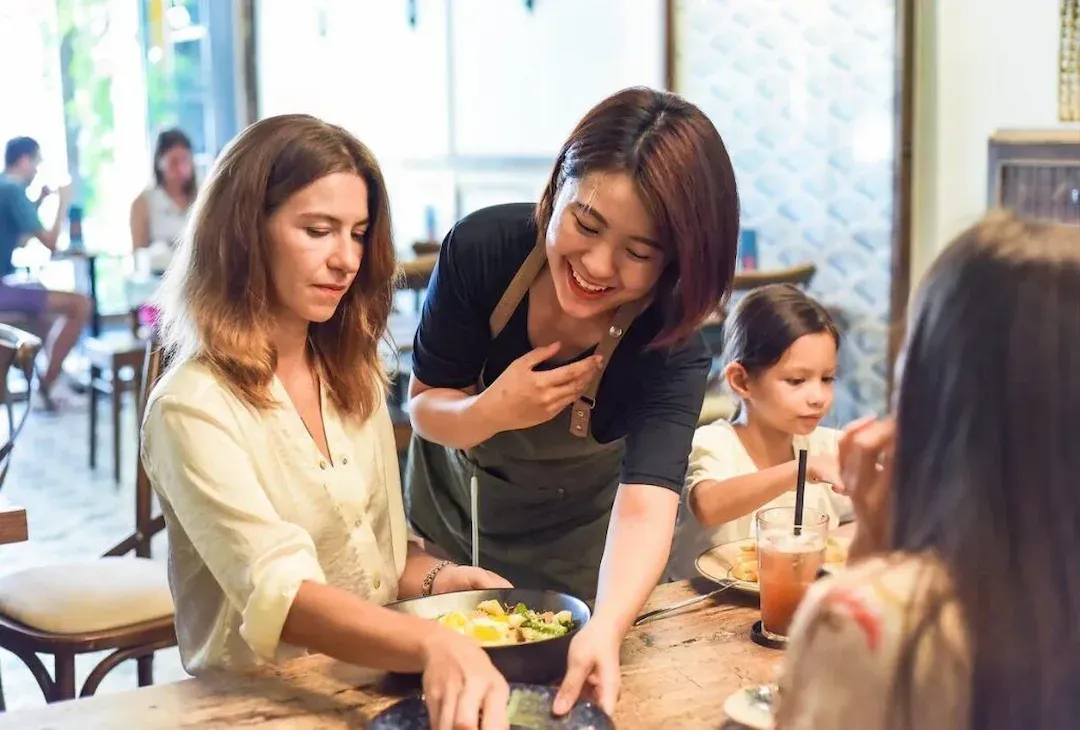
Exploring the local practices around tipping can really enhance your experience in Vietnam. While it’s not a strict necessity, a small gesture of appreciation can go a long way.
In restaurants, for instance, you might round up the bill or leave a bit of pocket money if you enjoyed the service.
If you choose to tip, it’s best to do so discreetly—hand it directly to your server to keep things personal.
When it comes to hotel staff or drivers using public transport, a modest tip is well received, though it’s not expected.
It’s all about showing gratitude for good service. As you settle in, you might wonder about what to offer your tour guides. Let’s dig into the specifics of that next, considering Vietnam culture, tourist expectations, pocket money, public transport, and hotel staff.
How Much To Tip Tour Guides
When you’ve had a fantastic time exploring Vietnam, showing appreciation is a lovely gesture. Tipping your guide is a great way to express gratitude for their local advice and the rewarding service they provided.
A common fare adjustment is around 10% of the tour cost, but feel free to give more if your guide really impressed you.
If they went above and beyond to enhance your experience, generous cash rewards are always appreciated.
Keep in mind, the length of the tour and group size can also influence how much you decide to tip. Longer tours or smaller groups often justify a larger gesture, reflecting the extra effort your guide put in.
While you’re enjoying your adventures, it’s also helpful to be aware of the local customs surrounding gratuity.
Different cultures have their own norms, and being informed can enhance your travel experience even more. After all, it can be incredibly gratifying to receive a bellhop reward in the form of local advice, fare adjustments, and cash rewards for exceptional, rewarding service.
- Tipping guidelines in Vietnam suggest around 10% of the tour cost as a standard gratuity.
- Exceptional service may warrant a larger tip, especially if the guide enhanced your experience significantly.
- Factors such as tour length and group size can influence the appropriate tipping amount.
- Understanding local customs regarding gratuity can enrich your overall travel experience.
Restaurant Tipping Practices To Know

If you’re diving into the dining scene at Vietnamese eateries, you’ll notice some unique practices that might differ from what you’re accustomed to. Many restaurants here usually include a service charge right on the bill, so take a quick peek to see if it’s there.
If it is, you probably don’t need to tip extra, but rounding up the bill with an appreciation amount can definitely brighten the day of your server.
For those times when service really impresses you, tipping around 10% or offering a little something like 10,000 VND for more casual meals can go a long way.
These social customs not only enhance your dining experience but also show gratitude for the value for service you received. Transitioning from dining to exploring, keep that same spirit of appreciation in mind when you’re out with tour guides.
Hospitality norms vary, but understanding the local value for service, social customs, transaction etiquette, and appreciation amount is essential for ensuring a positive experience in the service industry.
Hospitality Norms For Travelers
Gaining insight into how locals interact can truly enrich your journey.
Engaging with the Local Culture: When dining at local restaurants, customs play a huge role.
Always greet your host with a warm smile and a slight bow.
Such gestures of respect and politeness are deeply ingrained in the community’s values, making your tourism interactions more meaningful.
Gratuity Expectations: In Vietnamese dining culture, tipping is appreciated. Rounding up the bill is often sufficient; a tip of around 10,000 to 20,000 VND can go a long way in showing gratitude for good service. dining companions, enhancing the personal connection that is vital in the informal economy of local restaurants and the hospitality industry, often enriching tourism interactions as well.
Local Dining Culture
- Greeting hosts with a smile and bow is a common practice in Vietnamese culture, showing respect and appreciation.
- Tipping is customary in Vietnam, with a typical amount being between 10,000 to 20,000 VND.
- Engaging with locals can enhance your overall travel experience and foster meaningful connections.
- Respectful interactions in dining settings can lead to better service and a more enjoyable atmosphere.
Cash Tips Vs. Credit Card Payments
There’s something special about expressing thanks while traveling, and the way you choose to show appreciation can make your experience even more memorable.
For many visitors in Vietnam, cash remains a popular choice for vendor tips, as it often feels more personal.
This hands-on approach allows you to connect more directly with service providers, especially at small local eateries and street vendors.
Handing over a cash tip can truly enhance that gratitude expression, making your gesture feel that much warmer.
If credit cards are more your style, you might find that tipping takes on a slightly different rhythm. While some restaurants may let you add a tip when settling up, keep an eye out for any service feedback charges included in your bill.
These can sometimes lessen the impact of your kind gesture. If you’re dining at a smaller venue, sticking with cash is usually the safest bet for vendor tips, as it serves as a monetary gesture of gratitude and a sincere expression of your appreciation for their service and rewarding hospitality.
What Is A Fair Appreciation Amount?

Deciding how much to show appreciation for services in Vietnam can feel a bit tricky, but it’s really all about finding the right balance. A typical tipping amount hovers between 5% to 10% of your total bill, and if the customer experience was exceptional, feel free to tip more as a sweet acknowledgment of the great service you received.
When it comes to local guides, showing a bit more generosity is common; around 50,000 to 100,000 VND (which is about $2 to $4) is a nice gesture after a day of exploring together.
While tipping isn’t a strict requirement in the culture, it’s a lovely way to express gratitude for the interaction norms you’ve enjoyed during your visit.
Switching gears from cash tips to credit card payments, keep in mind that some establishments may not include a customary acknowledgment of service, which can vary based on local guides and interaction norms that influence customer experience and payment practices.
Tipping in Vietnam
- A typical tipping amount ranges from 5% to 10% of the total bill.
- For local guides, a tip of 50,000 to 100,000 VND (approximately $2 to $4) is considered generous.
- Tipping is not a strict requirement in Vietnamese culture, but it is appreciated as a gesture of gratitude.
- Some establishments may not include a customary acknowledgment of service in credit card payments.
Conclusion
Dining in Vietnam is an experience that extends far beyond just flavorful dishes. It’s about immersing yourself in the rich tapestry of culture, where service appreciation plays a vital role.
Recognizing the efforts of restaurant staff not only enhances your meal but also fosters a positive economic interaction.
As you explore various dining settings, it’s helpful to note that gratuities in Asia often differ.
Some establishments may anticipate a small tip, while others might already include a service charge in your bill. Trust your instincts as you determine what feels right for you.
Have you ever thought about how service charges shape your tipping habits? Do they clarify things for you, or do they add a layer of complexity? Whatever your perspective, engaging with the local customs around service can truly enrich your overall experience.
Enjoy your meals while practicing good dining etiquette, considering gratuities in Asia to show service appreciation, as these interactions can enrich your economic experience and make informal transactions more enjoyable. .
Originally posted 2025-03-12 04:18:02.