

Exploring the vibrant streets of Vietnam can feel like stepping into a food lover’s paradise, where the tempting scents of sizzling dishes draw you in. To truly savor these culinary experiences while keeping your health in check, it’s important to be mindful of food hygiene practices.
Start by seeking out bustling stalls where locals gather; a steady stream of customers often reflects the quality control of the ingredients used.
Pay attention to how vendors manage food—clean practices suggest a commitment to maintaining high culinary safety standards.
Trust your instincts; if something seems off, it’s wise to move on!
While indulging in the delightful street fare, steer clear of common mistakes that can compromise your dining experience. Avoid stalls that lack visible preparation areas or appear to disregard food hygiene standards, as this can compromise culinary safety and quality control, violating street vendor guidelines and street food precautions.
| Tip | Why It’s Important? | Best Practices |
|---|---|---|
| Eat Where Locals Eat | Locals know the safest and tastiest spots | Look for busy stalls with high turnover |
| Check Food Hygiene | Ensures cleanliness and reduces food poisoning risk | Observe if vendors wear gloves, use clean utensils, and store food properly |
| Avoid Raw Vegetables & Ice | Tap water may be contaminated | Stick to cooked vegetables and bottled drinks |
| Choose Freshly Cooked Food | Kills bacteria and parasites | Pick dishes made to order, avoid pre-cooked food sitting out |
| Observe Food Storage | Poor storage can lead to bacterial growth | Avoid stalls with food left uncovered or at room temperature for too long |
| Wash Hands & Use Sanitizer | Reduces risk of ingesting germs | Carry hand sanitizer or wash hands before eating |
| Go for Boiled or Grilled Foods | High heat kills bacteria | Opt for pho, grilled meats, and stir-fried dishes |
| Check for Clean Water Sources | Some street drinks may use unfiltered water | Buy bottled water or drinks in sealed containers |
| Be Cautious with Seafood | Seafood spoils quickly in heat | Ensure seafood is cooked thoroughly and smells fresh |
| Listen to Your Body | Helps prevent severe food poisoning | Stop eating if something tastes off or you feel uneasy |
Pro Tips:
- Stick to stalls with a crowd—higher turnover means fresher food.
- Avoid dairy-based drinks like smoothies unless you’re sure the ice is safe.
- Peel fruits yourself to avoid contamination from vendors’ hands.
- Drink ginger tea if you feel mild stomach discomfort after eating.
- Have activated charcoal or anti-diarrhea medication in case of mild food poisoning.
Understanding Food Hygiene Standards
When you’re out indulging in the vibrant world of street food, keeping an eye on vendor practices is key. Ensuring your meal is safe involves understanding hygiene standards that influence your dining experience.
Check for vendors who follow solid sanitation practices—like wearing gloves and maintaining a tidy cooking area.
It’s reassuring to see proper food storage methods and valid vendor certification, as these are signs of quality.
Always keep an eye on how raw food is handled, since mishandling can lead to foodborne illness. By being aware of these factors, you can dig into delicious dishes with confidence and enjoy every bite hassle-free.
What Are Street Vendor Guidelines
If you’ve ever wandered through a bustling market, you know the joy of discovering fresh ingredients prepared right before your eyes. These tasty experiences don’t just pop up out of nowhere; they come from vendors who follow specific standards to keep everything safe and delicious.
Local health regulations play a significant role here, guiding how food is stored and handled.
For example, proper storage methods are essential for keeping ingredients fresh and minimizing any risk of contamination.
Food handling is another crucial area for vendors to master; they need to be aware of cooking temperatures to effectively eliminate harmful bacteria. Plus, personal hygiene practices are as important as ever, safeguarding customer health and ensuring a delightful eating adventure. When these straightforward guidelines are adhered to, such as being mindful of local delicacies, proper storage methods, cooking temperatures, and avoiding contamination with fresh ingredients, your street food experience can truly be enjoyable and worry-free!.
Food Safety in Street Markets
- Proper storage methods can reduce the risk of foodborne illnesses by keeping ingredients fresh.
- Cooking food at the correct temperatures is essential for killing harmful bacteria.
- Personal hygiene practices among vendors significantly contribute to customer health and safety.
- Adhering to local health regulations ensures food safety and enhances the overall dining experience.
Ensuring Culinary Safety At Stalls

While exploring vibrant markets, a little awareness can significantly enhance your street food adventure. Hygiene plays a major role; stalls that look clean often indicate better food safety.
As you scan the options, pay attention to vendors who demonstrate proper preparation techniques, like using gloves and serving with sanitized utensils.
It’s also wise to ensure that hot items are steaming while cold foods are kept chilled.
Health inspections are a fundamental aspect, reflecting how well vendors adhere to safety protocols. Trust your instincts—if a stall seems well-maintained, it’s likely a sound choice. Balancing flavorful bites with safe eating habits, informed by health inspections and proper preparation techniques while utilizing mobile units for fresh sourcing, leads to a truly memorable experience!.
Essential Street Food Precautions
Exploring the lively world of street food brings excitement and new flavors, but staying sharp during your culinary adventures is key. Start by checking out who’s behind the food you’re thinking of trying.
Busy stalls often indicate a vendor’s popularity, which usually means locals trust the food.
A tidy setup can also hint at the vendor’s commitment to hygiene and safety regulations.

Next, take a closer look at how the food is handled. Ingredient freshness is vital—make sure you can see how ingredients are stored and prepared.
Meats should be cooked thoroughly to minimize contamination risks. Keeping an eye on these details can really enhance your dining experience!
Transitioning to your next bite, it’s important to highlight the role of quality control in vendors. When vendors prioritize their food culture, it not only elevates the meal but also promotes ingredient freshness, safety regulations, and consumer awareness while reducing contamination risks.
- Popular food stalls often have long lines, indicating trust from local customers.
- A clean and organized food stall suggests adherence to hygiene and safety practices.
- Fresh ingredients are crucial for minimizing contamination risks and enhancing flavor.
- Vendors who prioritize quality control contribute to a safer and more enjoyable dining experience.
Importance Of Quality Control In Vendors
When selecting a vendor, the emphasis on maintaining high standards can really set the tone for what customers expect. It’s all about ensuring safe dining experiences, where every plate served is both tasty and secure.
Consistent cooking methods and careful handling are key ingredients in building a solid vendor reputation.
When diners know that vendors value quality, their confidence grows, leading to repeat business and glowing word-of-mouth in local markets.
It’s no secret that a positive dining experience encourages more than just satisfaction — it boosts loyalty and spreads cheer in the community. After all, who doesn’t want to have a delightful culinary adventure without a worry in the world?
Transitioning from essential street food precautions to the topic of health inspections, it’s clear that both elements work hand in hand. Health checks are more than just a regulatory requirement; they reinforce the standards that keep our favorite dining experiences safe by ensuring proper cooking methods, handling practices, and maintaining the reputation of vendors in local markets.
Health Inspections: Why They Matter
When you think about enjoying a meal from a local vendor, the last thing you want to worry about is what might be lurking in your food. That’s where regular checks come into play—ensuring that the food we enjoy meets certain health guidelines and maintains proper environmental cleanliness.
These routines are essential in preventing foodborne illnesses and those unpleasant poisoning symptoms that can really spoil your appetite.
It’s comforting to know that many vendors take these inspections seriously, as they reflect a commitment to safe practices that ultimately benefit everyone involved.
When vendors pass these checks, it not only boosts their reputation but also fosters trust between them and their customers, giving you peace of mind about your food choices. So, let’s dive into how these inspections shape our dining experiences and what they mean for our health.
Safe Eating Habits In Local Markets
Exploring local markets can be an exciting way to engage with new cuisines and flavors. When you’re ready to dive in, pay attention to the vendors around you; busy stalls often indicate that the food is fresh and popular.
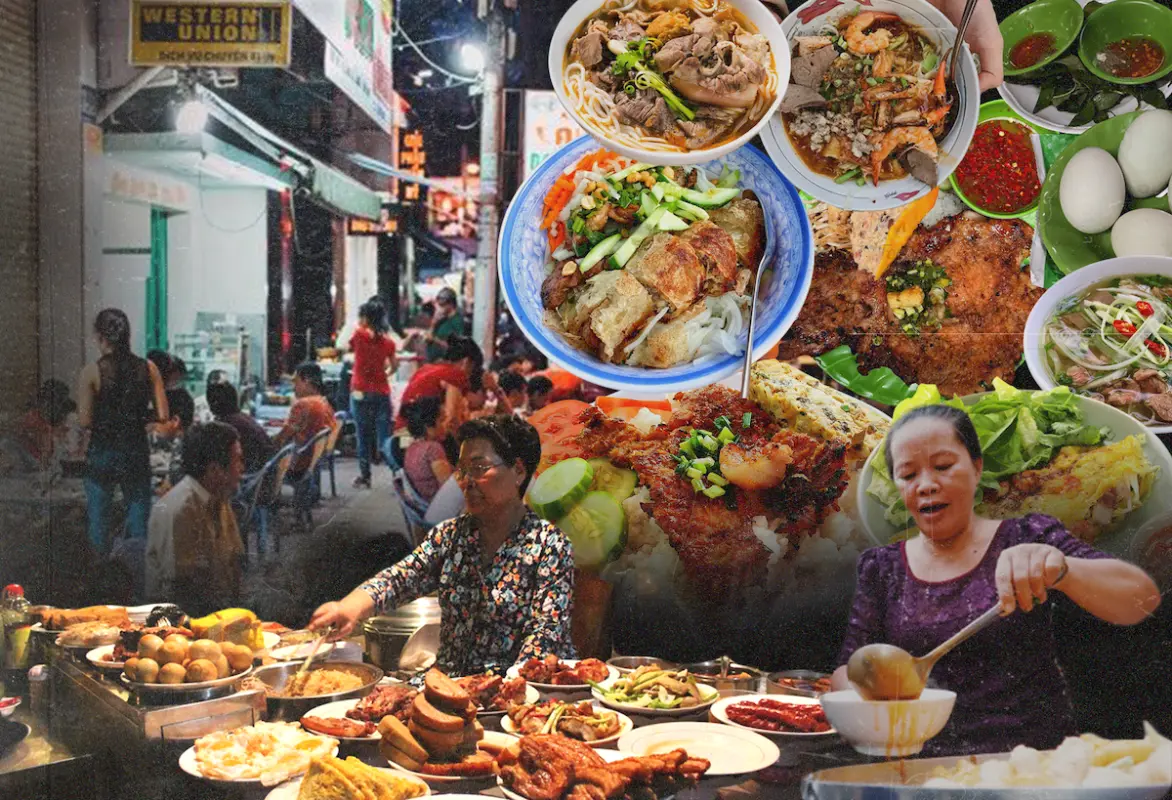
Check for cleanliness in the area.
A tidy space frequently suggests good safety practices are in place.
Be mindful of how food is stored. Perishable items should be kept at proper temperatures—this is a crucial part of avoiding potential health issues.
Don’t hesitate to ask about safety training and food sources; most vendors are happy to share insights and appreciate your interest. These purchasing tips can be invaluable for making informed choices, helping you enjoy the market experience while keeping your health in check
Recognizing Foodborne Illness Symptoms
Enjoying a new dish from a local market can be a delightful experience, but it’s important to stay attuned to your body’s signals. Symptoms like nausea and vomiting can strike unexpectedly, turning that tasty meal into a bit of a dilemma.
Diarrhea can also occur, especially if it’s persistent and watery, so it’s wise to be aware of how your body is reacting.
You might also notice a fever and chills, which could indicate your body’s way of saying something isn’t quite right with your dining experience.
If these symptoms escalate or linger beyond a couple of days, seeking assistance is important—especially for those who might be more vulnerable, like the elderly or young children. Your personal hygiene practices and what you’ve consumed recently can provide valuable insights into risk assessment, and are essential for enhancing your dining experience while respecting culinary traditions and ethics.

Conclusion
Embarking on a culinary journey through vibrant street food markets can be one of the most exciting experiences. Before you indulge in those tempting bites, it pays off to keep a few important tips in mind.
Staying observant can be your best ally.
Look out for stalls that prioritize proper disposal of waste and maintain a clean area.
This attention to detail often reflects the quality of what’s on offer.
Be proactive about your health by utilizing basic inspection tips.
Familiarizing yourself with local food safety practices not only enhances your enjoyment but also allows you to savor each bite with peace of mind. So, gear up for a culinary adventure—taste testing awaits, but remember to follow proper disposal methods, take necessary precautions for travelers, and adhere to inspection tips for nutritional safety!.
Originally posted 2025-03-21 04:17:46.